Domain musik-paedagogik.de kaufen?
Wir ziehen mit dem Projekt
musik-paedagogik.de um.
Sind Sie am Kauf der Domain
musik-paedagogik.de interessiert?
domain@kv-gmbh.de · 0541-91531010
Domain musik-paedagogik.de kaufen?
Will or gonna?
"Will" and "gonna" are both used to express future actions, but there are slight differences in their usage. "Will" is more formal and is used in more formal situations, while "gonna" is a more informal and colloquial way of expressing future actions. **
Gucci or Prada?
That is a subjective question and it depends on personal preference. Both Gucci and Prada are luxury fashion brands known for their high-quality products and unique designs. It ultimately comes down to individual style and taste. **


Ähnliche Suchbegriffe für Or
Top-Angebote
Produkte zum Begriff Or:
-
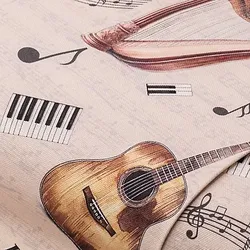
Baumwoll-Canvas Instrumente & Noten „Doreen“, natur-colorExklusiv von buttinette: Baumwoll-Canvas Instrumente & Noten aus der Serie Doreen, Farbe: natur-color, Motivgröße Gitarre: 16 x 7 cm, Breite: 140 cm, Gewicht: ca. 220 g/m2. Material: 100 % Baumwolle.weicher, hochwertiger Dekostoffaus reiner Baumwolleelegantes Design mit Instrumenten & Notenfür Deko, Tischwäsche, Taschen uvm.Ein Leben ohne Musik wäre furchtbar eintönig, daher haben wir mit diesem schönen Dekostoff eine Ode an diese wundervolle Kunstform geschaffen. Mit Tischläufern, Tischsets, Überwürfen oder Kissen aus diesem zauberhaften Canvas erstrahlen Ihre vier Wände in neuem Glanz – klingt das nicht wie Musik in Ihren Ohren? Der hochwertige Baumwoll-Dekostoff ist mit einem lebendigen Muster aus Noten & Instrumenten bedruckt. Da der Stoff relativ fest und formstabil ist, kann er auch problemlos zu modischen Taschen vernäht werden. Bestellen Sie am besten gleich und überzeugen Sie sich selbst!13,95 €*Versand: 4,99 €Sichere Weiterleitung zum Anbieter


-
Doesn't or don't?
The correct form to use depends on the subject of the sentence. "Doesn't" is used with singular subjects, while "don't" is used with plural subjects. For example, "He doesn't like coffee" (singular subject) and "They don't like coffee" (plural subject). **
-
Do or make?
The choice between "do" and "make" depends on the context and the specific action being referred to. "Do" is generally used for activities or actions that involve performing or carrying out something, while "make" is used for creating or producing something tangible. For example, you would say "do your homework" but "make a cake." **
-
Naruto or Orochimaru?
It depends on personal preference. Naruto is the main protagonist of the series and is known for his determination and strong sense of justice. Orochimaru, on the other hand, is a complex character who is driven by his thirst for power and immortality. Both characters have their own unique qualities and story arcs that make them interesting in their own ways. **
-
Do or does?
The choice between "do" and "does" depends on the subject of the sentence. "Do" is used with plural subjects and "does" is used with singular subjects. For example, "They do their homework" and "She does her homework." **

Anyway or anyways?
Both "anyway" and "anyways" are commonly used in spoken English to mean the same thing. However, "anyway" is more widely accepted and considered to be the standard form. "Anyways" is often considered to be more informal or colloquial. **
Go or goes?
The correct form would depend on the subject of the sentence. "Go" is used with the pronouns "I," "you," "we," and "they," while "goes" is used with the pronouns "he," "she," and "it." For example, "I go to the store" and "She goes to the store." **
Top-Angebote
Produkte zum Begriff Or:
-
Corvus Rätsche Rhythmus Instrumente 600207Das hölzerne Federblatt rattert und schnarrt um das feststehende Zahnrad und erzeugt dabei je nach Stärke ein lautes, knatterndes Geräusch, das entsprechend der Drehgeschwindigkeit im Takt leicht veränderbar ist.6,95 €*Versand: 5,90 €Sichere Weiterleitung zum Anbieter
-
Baumwoll-Canvas Instrumente & Noten „Doreen“, natur-colorExklusiv von buttinette: Baumwoll-Canvas Instrumente & Noten aus der Serie Doreen, Farbe: natur-color, Motivgröße Gitarre: 16 x 7 cm, Breite: 140 cm, Gewicht: ca. 220 g/m2. Material: 100 % Baumwolle.weicher, hochwertiger Dekostoffaus reiner Baumwolleelegantes Design mit Instrumenten & Notenfür Deko, Tischwäsche, Taschen uvm.Ein Leben ohne Musik wäre furchtbar eintönig, daher haben wir mit diesem schönen Dekostoff eine Ode an diese wundervolle Kunstform geschaffen. Mit Tischläufern, Tischsets, Überwürfen oder Kissen aus diesem zauberhaften Canvas erstrahlen Ihre vier Wände in neuem Glanz – klingt das nicht wie Musik in Ihren Ohren? Der hochwertige Baumwoll-Dekostoff ist mit einem lebendigen Muster aus Noten & Instrumenten bedruckt. Da der Stoff relativ fest und formstabil ist, kann er auch problemlos zu modischen Taschen vernäht werden. Bestellen Sie am besten gleich und überzeugen Sie sich selbst!13,95 €*Versand: 4,99 €Sichere Weiterleitung zum Anbieter
-
Will or gonna?
"Will" and "gonna" are both used to express future actions, but there are slight differences in their usage. "Will" is more formal and is used in more formal situations, while "gonna" is a more informal and colloquial way of expressing future actions. **
-
Gucci or Prada?
That is a subjective question and it depends on personal preference. Both Gucci and Prada are luxury fashion brands known for their high-quality products and unique designs. It ultimately comes down to individual style and taste. **
-
Doesn't or don't?
The correct form to use depends on the subject of the sentence. "Doesn't" is used with singular subjects, while "don't" is used with plural subjects. For example, "He doesn't like coffee" (singular subject) and "They don't like coffee" (plural subject). **
-
Do or make?
The choice between "do" and "make" depends on the context and the specific action being referred to. "Do" is generally used for activities or actions that involve performing or carrying out something, while "make" is used for creating or producing something tangible. For example, you would say "do your homework" but "make a cake." **
Ähnliche Suchbegriffe für Or
-
Meier, Christiane: Instrumente, Noten, GesangInstrumente, Noten, Gesang , Differenzierte Materialien zur Entwicklung und Festigung von Grundwissen im Musikunterricht (2. bis 4. Klasse) , Zündkabel & Zündkabelstecker > Elektrik & Zündungen , Erscheinungsjahr: 20230102, Produktform: Kassette, Inhalt/Anzahl: 1, Inhalt/Anzahl: 1, Beilage: E-Bundle, Titel der Reihe: Grundwissen Mathematik##, Autoren: Meier, Christiane, Seitenzahl/Blattzahl: 80, Keyword: 2. bis 4. Klasse; Grundschule; Musik; Themenübergreifend, Fachschema: Musikunterricht / Lehrermaterial, Themenvorschläge, Bildungsmedien Fächer: Musik, Fachkategorie: Schule und Lernen, Bildungszweck: für den Primarbereich, Altersempfehlung / Lesealter: 23, Genaues Alter: GRS, Warengruppe: HC/Schulbücher/Unterrichtsmat./Lehrer, Fachkategorie: Unterrichtsmaterialien, Schulform: GRS, Text Sprache: ger, Sender’s product category: BUNDLE, Verlag: Persen Verlag i.d. AAP, Verlag: Persen Verlag i.d. AAP, Länge: 293, Breite: 206, Höhe: 13, Gewicht: 500, Produktform: Blätter, Genre: Schule und Lernen, Genre: Schule und Lernen, Beinhaltet: B0000064958001 9783403208969-2 B0000064958002 9783403208969-1, Herkunftsland: DEUTSCHLAND (DE), Katalog: deutschsprachige Titel, Katalog: Gesamtkatalog, Katalog: Lagerartikel, Book on Demand, ausgew. Medienartikel, Relevanz: 0002, Tendenz: -1, Schulform: Grundschule, Unterkatalog: AK, Unterkatalog: Bücher, Unterkatalog: Hardcover, Unterkatalog: Lagerartikel, Unterkatalog: Schulbuch, WolkenId: 283725923,99 €*Versand: 0,00 €Sichere Weiterleitung zum Anbieter
-
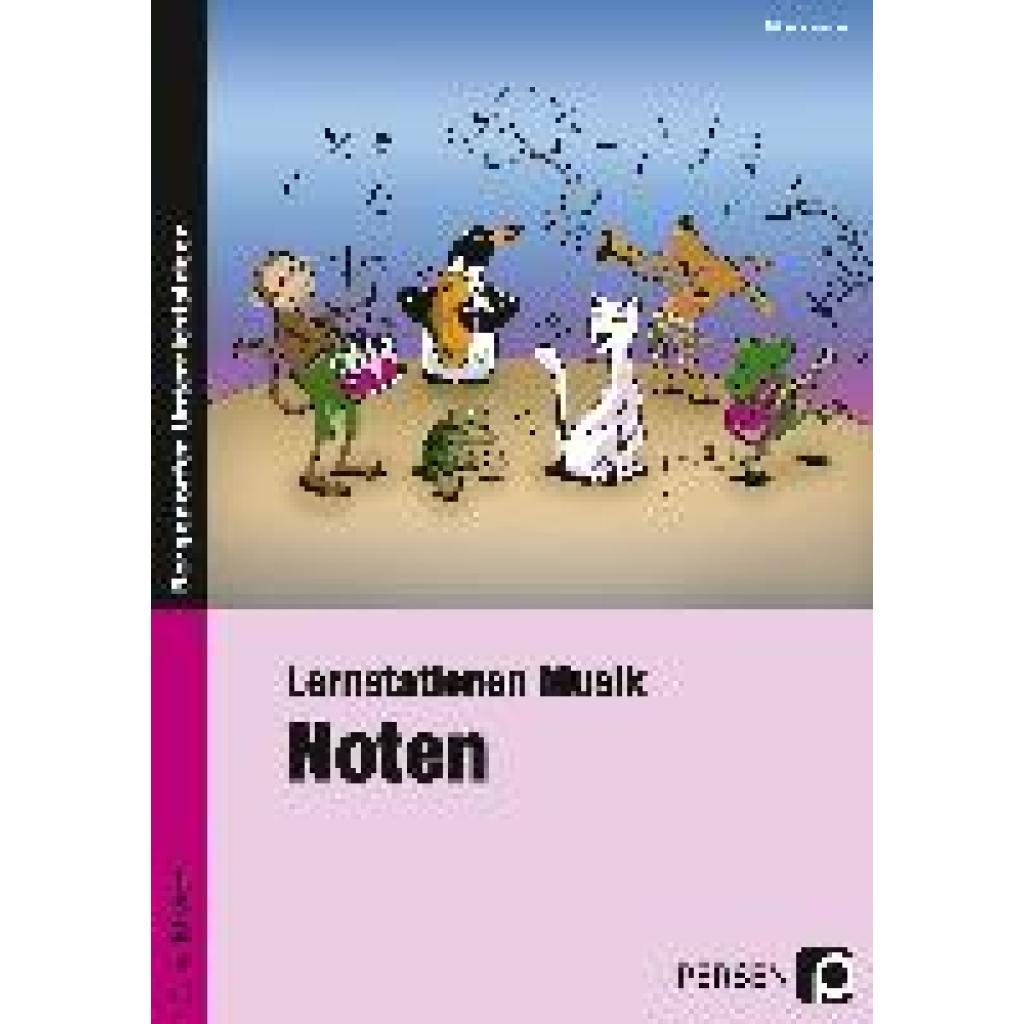
Weber, Nicole: Lernstationen Musik: NotenLernstationen Musik: Noten , 2. bis 4. Klasse , Zündkabel & Zündkabelstecker > Elektrik & Zündungen , Auflage: 9. Auflage, Erscheinungsjahr: 20200101, Produktform: Kartoniert, Beilage: Broschüre klebegebunden, Titel der Reihe: Bergedorfer Unterrichtsideen##, Autoren: Weber, Nicole, Auflage: 21009, Auflage/Ausgabe: 9. Auflage, Seitenzahl/Blattzahl: 65, Themenüberschrift: EDUCATION / Teaching Methods & Materials / General, Keyword: 2. bis 4. Klasse; Grundschule; Instrumente/Noten; Musik, Fachschema: Didaktik~Unterricht / Didaktik~Musikunterricht / Lehrermaterial, Themenvorschläge, Bildungsmedien Fächer: Musik, Fachkategorie: Didaktische Kompetenz und Lehrmethoden~Unterricht und Didaktik: Musik, Bildungszweck: für den Primarbereich, Warengruppe: HC/Schulbücher/Unterrichtsmat./Lehrer, Fachkategorie: Unterrichtsmaterialien, Thema: Verstehen, Text Sprache: ger, UNSPSC: 49019900, Warenverzeichnis für die Außenhandelsstatistik: 49019900, Verlag: Persen Verlag i.d. AAP, Verlag: Persen Verlag i.d. AAP, Verlag: Persen Verlag, Länge: 297, Breite: 213, Höhe: 5, Gewicht: 225, Produktform: Kartoniert, Genre: Schule und Lernen, Genre: Schule und Lernen, Vorgänger: A6884050, Herkunftsland: DEUTSCHLAND (DE), Katalog: deutschsprachige Titel, Katalog: Gesamtkatalog, Katalog: Kennzeichnung von Titeln mit einer Relevanz > 30, Katalog: Lagerartikel, Book on Demand, ausgew. Medienartikel, Relevanz: 0010, Tendenz: -1, Unterkatalog: AK, Unterkatalog: Bücher, Unterkatalog: Hardcover, Unterkatalog: Lagerartikel, Unterkatalog: Schulbuch, WolkenId: 260385823,99 €*Versand: 0,00 €Sichere Weiterleitung zum Anbieter
-
Naruto or Orochimaru?
It depends on personal preference. Naruto is the main protagonist of the series and is known for his determination and strong sense of justice. Orochimaru, on the other hand, is a complex character who is driven by his thirst for power and immortality. Both characters have their own unique qualities and story arcs that make them interesting in their own ways. **
-
Do or does?
The choice between "do" and "does" depends on the subject of the sentence. "Do" is used with plural subjects and "does" is used with singular subjects. For example, "They do their homework" and "She does her homework." **
-
Anyway or anyways?
Both "anyway" and "anyways" are commonly used in spoken English to mean the same thing. However, "anyway" is more widely accepted and considered to be the standard form. "Anyways" is often considered to be more informal or colloquial. **
-
Go or goes?
The correct form would depend on the subject of the sentence. "Go" is used with the pronouns "I," "you," "we," and "they," while "goes" is used with the pronouns "he," "she," and "it." For example, "I go to the store" and "She goes to the store." **
* Alle Preise verstehen sich inklusive der gesetzlichen Mehrwertsteuer und ggf. zuzüglich Versandkosten. Die Angebotsinformationen basieren auf den Angaben des jeweiligen Shops und werden über automatisierte Prozesse aktualisiert. Eine Aktualisierung in Echtzeit findet nicht statt, so dass es im Einzelfall zu Abweichungen kommen kann. ** Hinweis: Teile dieses Inhalts wurden von KI erstellt.